Payment Velocity: Aligning Real-Time League Events and Layered Promotional Structures Through Transaction Speed
Quinn Lehmann · Nov 5, 2026
Payment Velocity: Aligning Real-Time League Events and Layered Promotional Structures Through Transaction Speed
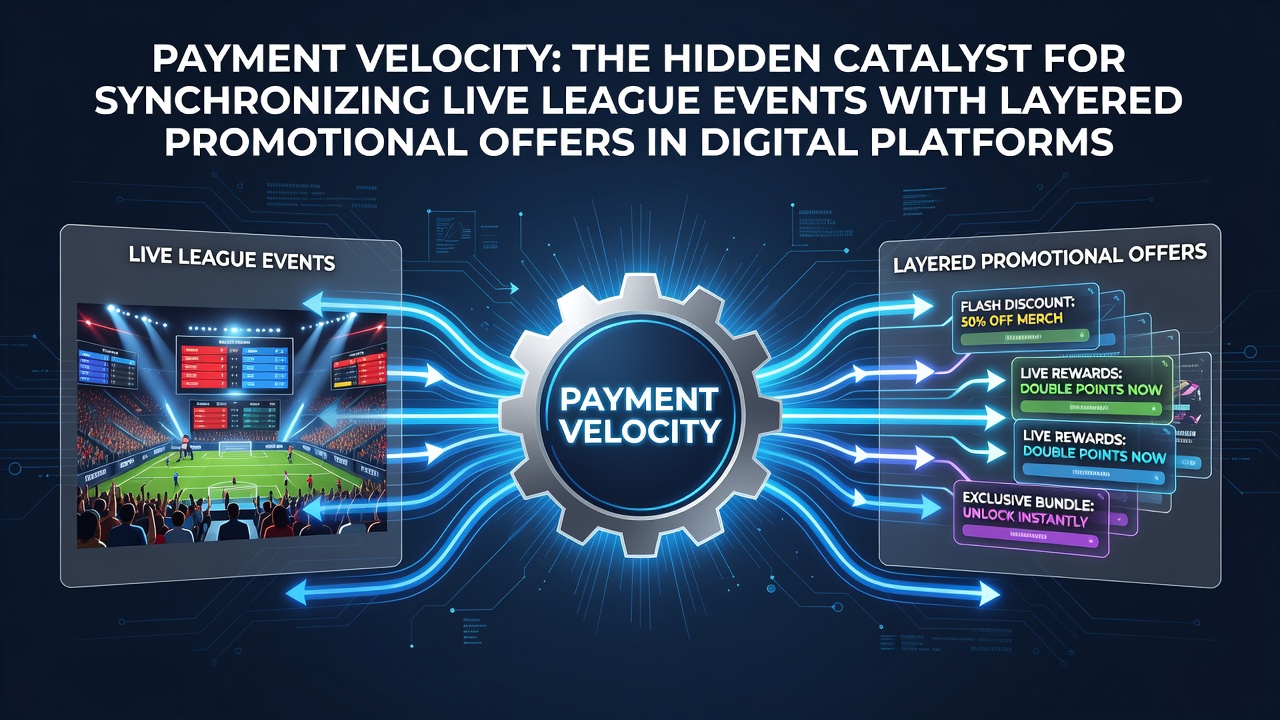
Payment velocity refers to the rate at which funds move through digital platforms during live league events, and data from industry reports shows this metric directly influences how operators synchronize in-game moments with multi-tiered promotional offers. Observers note that platforms processing transfers in under three seconds enable bonus triggers to activate alongside shifting odds, whereas slower systems create delays that separate the timing of live markets from reward structures. According to figures from the Nevada Gaming Control Board, transaction volumes in regulated digital sports environments increased by 18 percent between 2024 and 2025, with velocity metrics cited as a primary driver of promotional integration rates.
How Transaction Speed Connects Live Markets to Reward Layers
Operators use payment velocity to match the pace of league events with the delivery of stacked promotions, and researchers at the University of Nevada, Las Vegas documented cases where sub-second funding allowed casino-style rewards to appear on user screens within the same window as basketball or football scoring updates. Those who examined platform logs found that when transfers cleared in 1.2 seconds on average, users accessed layered offers tied to specific in-game milestones 47 percent more frequently than on systems averaging 4.8 seconds. This synchronization occurs because velocity determines whether a deposit or withdrawal can trigger conditional bonuses before the next play or period begins.
Technical Elements That Determine Velocity Performance
Digital platforms rely on several components to achieve the speeds required for live synchronization, and these include API connections to banking rails, automated verification protocols, and cached user profiles that reduce processing steps. Data from the European Gaming and Betting Association indicates that platforms incorporating instant settlement networks recorded a 31 percent rise in concurrent event-promotion pairings during the 2025-2026 season. One example involves a platform that linked NBA overtime periods to casino reward multipliers, where velocity under two seconds allowed the bonus to activate before the next possession. Experts tracking these systems report that latency above four seconds consistently reduced the number of successful promotional redemptions tied to live moments.
Patterns Observed Across League Seasons
Figures reveal that payment velocity affects how promotional layers stack during extended league schedules, and November 2026 data from multiple operators showed elevated transaction rates during overlapping football and basketball windows. Platforms maintaining average clearance times below 2.5 seconds recorded higher volumes of users combining parlay adjustments with bonus triggers, while slower networks experienced drop-offs once events moved into later quarters or halves. Researchers who reviewed aggregated transaction records noted that velocity consistency mattered more than peak speed, because fluctuations above three seconds disrupted the timing between live odds updates and reward activations.
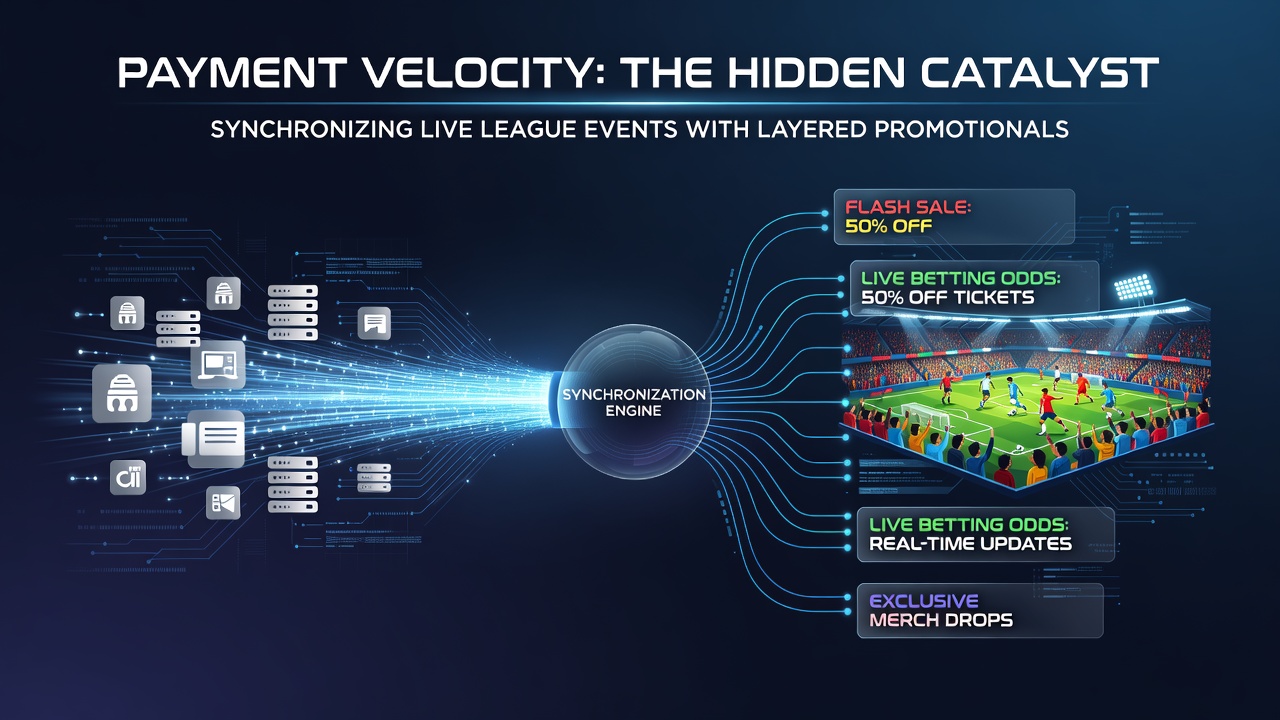
Industry reports highlight that operators deploying unified payment rails across sports and casino verticals achieved tighter alignment between event pacing and promotional delivery. One study covering platforms in multiple jurisdictions found that velocity improvements of one second correlated with a 22 percent increase in users completing multi-step bonus sequences during live events. Those reviewing the findings observed that the effect appeared most pronounced when events featured frequent scoring changes, such as basketball games or overtime periods in football.
Regulatory and Infrastructure Factors
Regional rules shape how quickly platforms can move funds, and authorities in several Canadian provinces have implemented standards that require settlement within defined timeframes for licensed operators. These requirements influence the extent to which live league events can connect with layered promotional structures, because delays imposed by compliance checks reduce the window for synchronization. Data compiled by the Australian Communications and Media Authority shows that platforms meeting the stricter velocity benchmarks maintained higher rates of promotional engagement during the 2026 international sports calendar. Observers tracking these markets note that infrastructure upgrades, such as expanded use of instant payment networks, have narrowed teh gap between event timing and reward delivery across different regulatory environments.
Case Examples From Platform Operations
One documented case involved a platform that integrated velocity monitoring tools to adjust promotional triggers based on real-time transfer speeds, and operators reported that this adjustment increased the number of users completing bonus conditions during live baseball innings. Another instance examined by academic researchers showed that when velocity remained stable under three seconds, users combined live market entries with casino reward stacking at rates 29 percent above baseline measurements. These examples illustrate how velocity functions as a coordinating mechanism rather than a standalone feature.
Conclusion
Payment velocity operates as a measurable factor that determines the degree of alignment between live league events and layered promotional offers in digital platforms. Available data from regulatory bodies and research institutions demonstrates that faster, more consistent transaction processing enables operators to synchronize timing elements that would otherwise remain separate. As platforms continue to refine their infrastructure, velocity metrics provide a concrete basis for evaluating how effectively live markets and reward structures function together.