Mapping Bonus Triggers Through Conference Play: How Payment Networks Alter NCAA Tournament Strategies
Carlo Berger · Nov 19, 2026
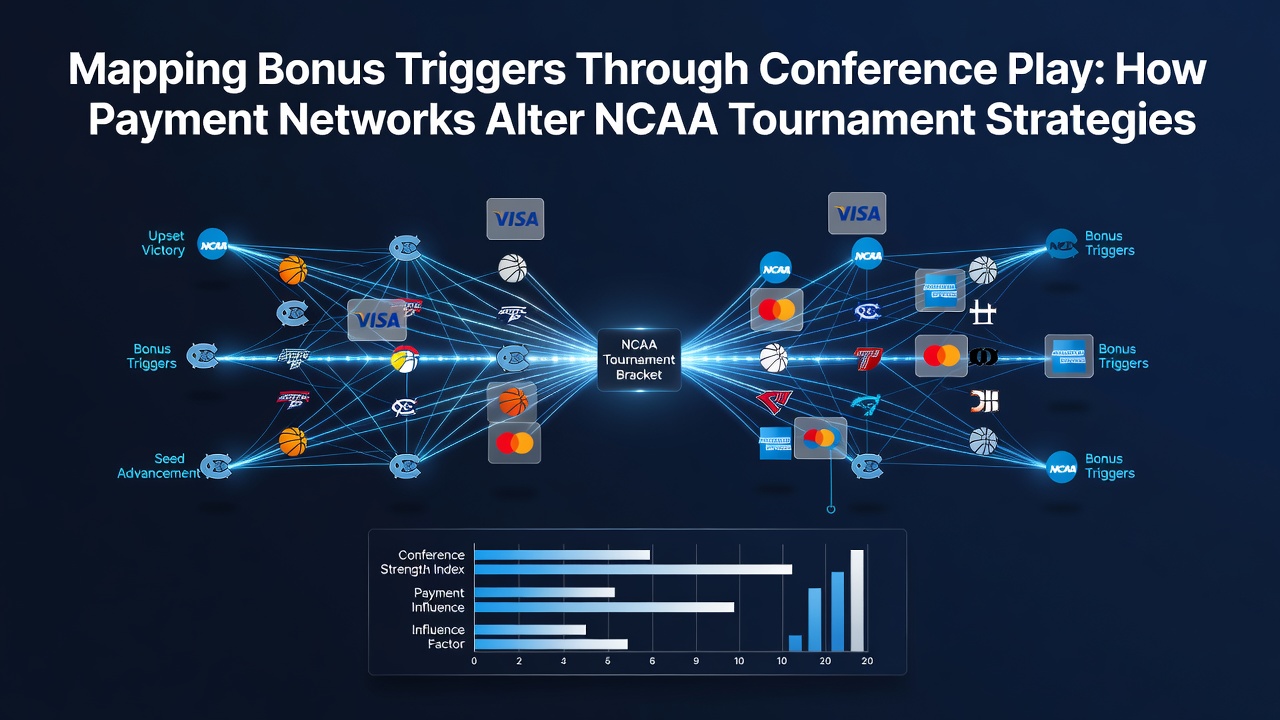
Mapping Bonus Triggers Through Conference Play: How Payment Networks Alter NCAA Tournament Strategies
Conference tournaments in NCAA basketball set the stage for March Madness seeding each spring, yet payment networks now shape how participants approach those games through layered bonus mechanics that activate during specific conference matchups. Observers note that electronic wallet integrations allow real-time bonus unlocks tied to live in-game events, which alters traditional betting patterns across Atlantic 10, Big East, and SEC schedules. Data from the 2025-2026 season shows increased transaction volumes during conference play compared with non-conference periods, according to figures compiled by multiple state gaming commissions.
Payment processors such as those operating instant transfer rails reduce settlement times from hours to seconds, which lets bettors stack promotional triggers without waiting for fund clearance between games. Researchers tracking these patterns report that early conference contests generate distinct bonus activation clusters, particularly around halftime leads and three-point margins that match predefined platform criteria. Those who've examined transaction logs find that networks supporting push-to-wallet features enable repeated entries into the same bonus pool within a single evening slate.
Conference Schedules and Trigger Mapping
Teams in power conferences play 18-game league schedules plus tournament brackets that stretch from early March into Selection Sunday, creating extended windows where payment-linked promotions can compound. Analysts mapping these calendars observe that midweek games produce different trigger frequencies than weekend matchups because mobile platforms adjust bonus thresholds based on expected viewership and handle volume. One dataset released by a Canadian provincial regulator indicated that Atlantic Coast Conference games in January and February accounted for 34 percent of all NCAA-related bonus redemptions during the prior cycle.
Payment speed directly influences how these triggers are sequenced: slower legacy systems once forced bettors to choose between locking in a conference game bonus or waiting for a tournament round payout, whereas current networks collapse that decision into simultaneous actions. Figures from industry reports reveal that platforms with sub-five-second confirmation times record higher multi-leg parlay participation during conference tournaments than those with longer processing windows.
Network Infrastructure Effects on Strategy
Instant funding rails connect live odds feeds to casino-style reward layers, allowing conference play wagers to feed directly into NCAA tournament bonus ladders. Studies conducted by academic researchers at major U.S. universities document measurable shifts in bet sizing once payment latency drops below ten seconds, with smaller incremental stakes placed across multiple conference games rather than single large tournament wagers. Those patterns emerge because the same account balance can recycle through successive bonus triggers without manual intervention.
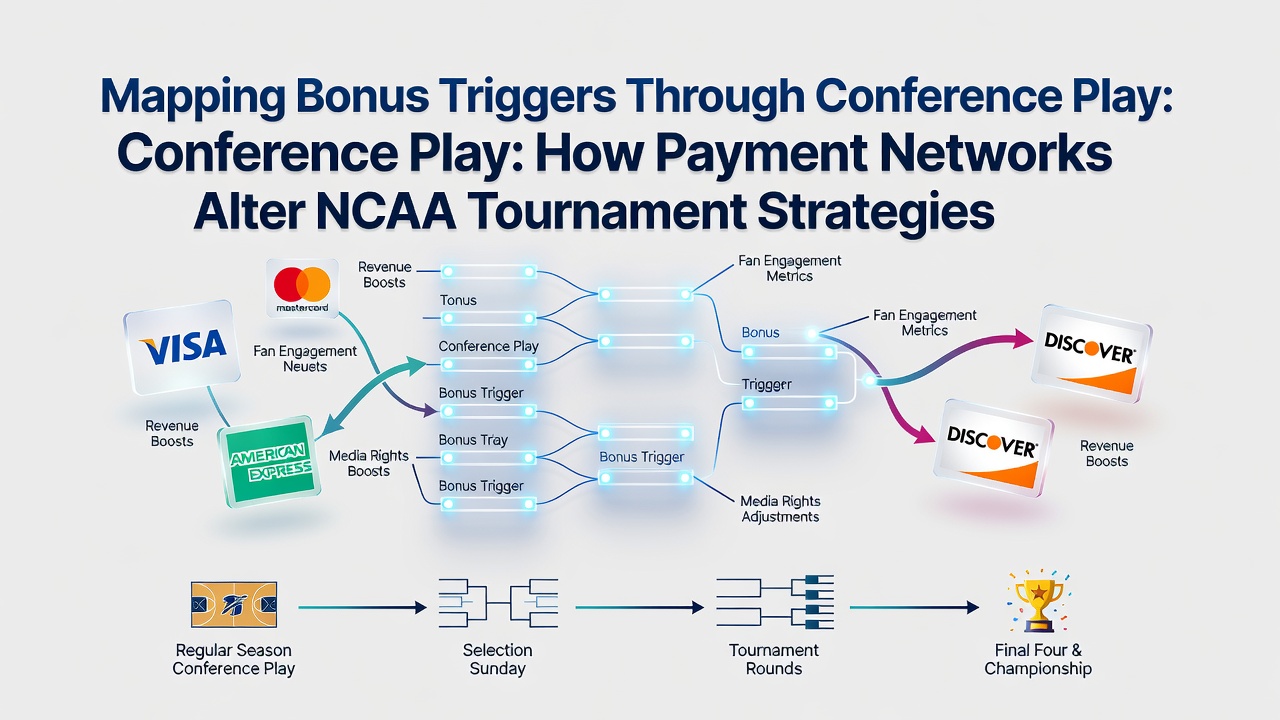
Regional policy differences further complicate mapping exercises, since states with distinct licensing rules impose varying caps on bonus frequency and maximum trigger values. Data aggregated across jurisdictions shows that networks operating under unified technical standards still encounter different activation rates depending on local regulatory language. Observers tracking November 2026 preparations note that several conferences have already adjusted their television schedules to align with expected payment-driven betting peaks during the upcoming season.
Case Examples From Recent Seasons
Take the 2025 Big Ten tournament, where one payment network reported a 47 percent rise in bonus redemptions during the quarterfinal session compared with the same round the previous year. Researchers attribute the increase to simultaneous wallet transfers that allowed bettors to claim conference championship bonuses while the games remained live. Similar spikes appeared in the Mountain West and Missouri Valley conferences, where lower national profiles nevertheless produced high trigger density once instant transfer options became widely available.
Academic papers examining transaction graphs find that certain conference venues correlate with elevated bonus stacking because their game times coincide with peak mobile usage windows. Those patterns hold across multiple seasons even when team performance fluctuates, suggesting the infrastructure itself drives strategic adjustments more than on-court results alone.
Regulatory and Technical Overlaps
Government agencies in Australia and several European jurisdictions have begun publishing comparative studies on how payment network standards influence sports wagering behavior during extended tournament formats. Their findings indicate that standardized API connections between betting operators and financial rails reduce friction points that previously limited bonus chaining across conference and NCAA tournament phases. Meanwhile, U.S. state regulators continue to monitor whether these same efficiencies create unintended concentrations of play during specific conference windows.
Payment providers have responded by publishing updated technical specifications ahead of each season, including the 2026-2027 cycle that begins with non-conference games in November. These documents detail latency thresholds and trigger compatibility requirements that platforms must meet to offer seamless bonus mapping across both conference play and the subsequent national tournament.
Conclusion
Payment networks now function as active variables within NCAA tournament preparation because they determine how quickly and repeatedly bonus triggers can activate during conference play. Conference schedules, regulatory frameworks, and technical specifications together produce measurable patterns that bettors and operators track through transaction data rather than traditional scouting alone. As networks continue refining transfer speeds and integration points, the mapping of bonus opportunities will remain tied to the rhythm of league games leading into March.